
A pinched nerve in your spine can cause discomfort. Sharp sensations, tingling, numbness, weakness—these experiences can affect your daily activities. If you’ve been dealing with this, spinal decompression is an option to explore.
Spinal decompression works by creating additional space inside your spine to reduce pressure on the nerves. Think of it like loosening a tight grip—once you release that pressure, the associated sensations may change.
Related: Best Spinal Decompression in Naples, Florida 2026: Top 5 Ranked
Related: Spinal Decompression Therapy for Back Pain: How It Works
Related: Spinal Decompression for Herniated Disc: How It Works
How Spinal Decompression Works
When a nerve gets pinched in your spine, it’s usually because a disc has bulged or bone has grown in a way that takes up space. Spinal decompression addresses this by removing overgrown bone and disc material that’s compressing the nerve, then realigning your spine so everything sits properly again.
The result is reduced pressure on the nerve and associated sensations. Your spine functions better when there’s room for your nerves to do their job.
One option is that Alternative Health & Healing Center offers nonsurgical spinal decompression options, which means you can explore this approach without surgery. If you prefer to avoid surgery, this is an alternative worth exploring.
Nonsurgical vs. Surgical Spinal Decompression
You have choices when it comes to spinal decompression, and understanding them is key to making the right decision for your body.
Nonsurgical decompression uses specialized equipment to stretch your spine and reduce nerve pressure. This approach involves no anesthesia, no recovery time, and no cutting. Patients come in for sessions, relax on the equipment, and go home to their day.
Surgical decompression is more invasive but an option when nonsurgical methods are not suitable. Surgery involves realigning your spine and removing pressure on nerves as part of the procedure. Recovery takes longer, and you’ll need time off work and normal activities.
Many people prefer to explore the nonsurgical approach first. Nonsurgical options allow you to explore this method without the downtime of surgery.
Who Should Consider Spinal Decompression?
If you have a pinched nerve causing lower back pain, leg pain, numbness, or tingling, you may want to explore this option. You need to be at least 18 years old to undergo treatment.
Spinal decompression may be worth considering at various stages of symptom development. The timing and suitability of treatment depends on your individual situation.
To determine if spinal decompression is right for your specific situation, consult with a qualified healthcare professional. Dr. Paul Finucan at Alternative Health & Healing Center has over 40 years of experience and can assess your spine, review your symptoms, and discuss whether decompression may be appropriate for you.
What Spinal Decompression Does
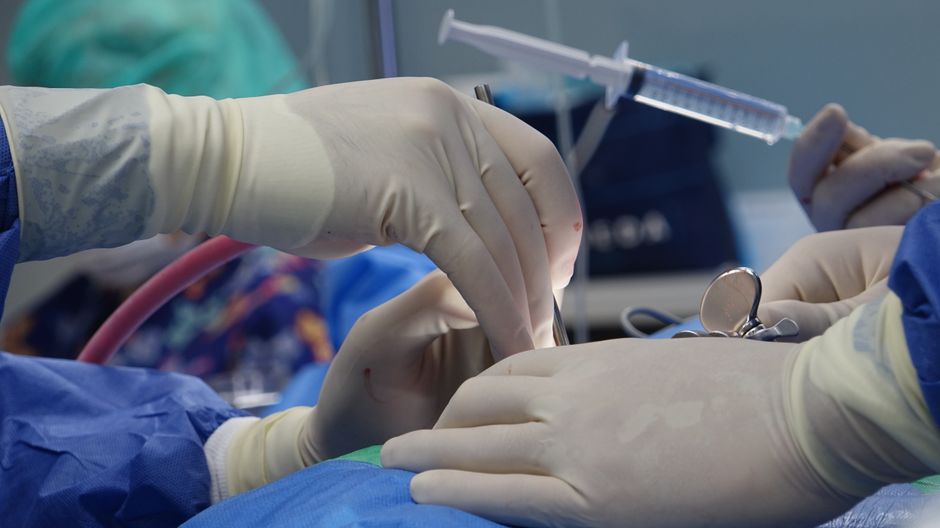
Spinal decompression works by reducing the pressure on your nerve. It addresses the immediate problem—the pressure on your nerve—by creating additional space in your spine.
What it does not do: it is not intended to cure underlying arthritis or heal spinal stenosis (the narrowing of your spinal canal). It addresses the immediate pressure on your nerve.
Think of it this way. Arthritis might be what caused the problem in the first place, but the immediate issue is that your nerve is being squeezed. Decompression addresses that squeeze. Your body’s response depends on your individual healing capacity and how you care for your spine going forward.
Other Therapies and Equipment
Alternative Health & Healing Center offers access to various complementary equipment and therapies. These are separate products and services, each with their own manufacturer instructions and specifications.
PiezoWave 2 acoustic wave therapy uses sound waves and is designed for use on muscles and connective tissue. Refer to the device instructions for specific information about its use and capabilities.
Applied kinesiology and acupuncture are separate therapeutic approaches. Consult with your healthcare provider about these options.
Regenerative options such as Wharton’s Jelly Exosomes, RPA (Regenerative Platelet-rich Autologous), and Muse protocols are available. Discuss these options with Dr. Finucan.
Push Patch needle free peptide delivery is available in consultation with Dr. Finucan. Refer to the product instructions and consult with Dr. Finucan about this option.
What to Expect During and After Treatment
If you choose nonsurgical spinal decompression, here’s what a typical session looks like. You’ll lie on a specialized decompression table while forces are applied to your spine. The table does the work—you just relax. Sessions usually last 20 to 30 minutes, and most treatment plans involve multiple sessions spread over a few weeks.
You may notice changes after the first session, or it might take a few sessions before you notice a difference. Everyone’s spine is different. Many people explore treatment over a few weeks to assess results.
After each session, you can usually go right back to your normal day. There’s no downtime or recovery period required.
As you progress through treatment, you may notice changes in your experience. The goal is to help you return to your normal activities.
Next Steps: Getting Evaluated by a Specialist
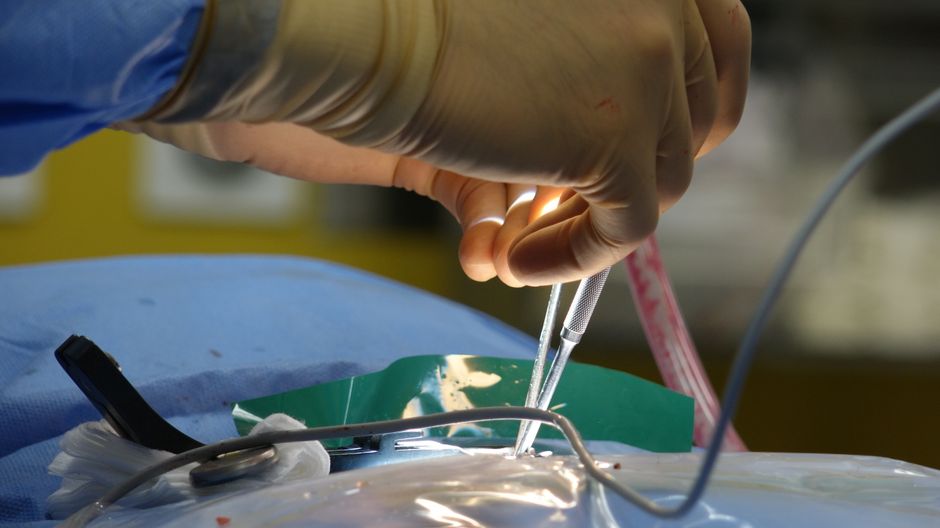
If you’re interested in exploring spinal decompression without surgery, the next step is getting a professional evaluation. A qualified healthcare professional can assess whether this approach is appropriate for your situation.
Dr. Finucan combines over 40 years of clinical experience with access to state-of-the-art technology. He’ll talk to you about your symptoms, examine your spine, and review your imaging if you have it. Then he’ll discuss your options and what may be appropriate for your situation.
Book a consultation with Alternative Health & Healing Center in Naples to explore whether spinal decompression is an option for your pinched nerve. This is your chance to get answers and learn more about your options.
Is spinal decompression painful?
Refer to the instructions provided with your specific device. Follow the guidance of your practitioner during treatment.
How long does it take to see results?
Everyone’s experience is different. Treatment timelines vary by individual. Dr. Finucan can discuss what to expect based on your specific situation.
What happens after spinal decompression treatment?
Your experience after treatment depends on your individual situation and how you care for your spine. Discuss ongoing care and maintenance with Dr. Finucan.
What if spinal decompression is not appropriate for me?
If spinal decompression is not suitable for your situation, Dr. Finucan can discuss other options and approaches. You will receive guidance on next steps.
Alternative Health & Healing Center Quick Facts
- Naples Fl: North Naples Fl on 41 behind Abby Carpet, near Wiggins Pass
The most advanced integrative wellness center in SW Florida
We are know for Sports injury, Regenerative Medicine, Chiropractic, AK Applied Kinesiology, Family Medical Center
6 amazing and caring Physicians with the latest treatments, Technologies, Stem Cell, RPA+Muse, Exosomes, Anti aging, Peptides, Vitamin IV’s and Chelation, Spinal Decompression. Avoid surgery and heal fast!