
Cupping therapy is an ancient healing technique that uses special cups to create suction on your skin. The idea is pretty straightforward: a practitioner applies cups to targeted areas of your body, and the vacuum pressure underneath is supposed to boost blood flow, release tension, and kick-start your body’s natural healing response. But here’s the real question: does it actually work? Let’s break it down.
How Cupping Therapy Actually Works
Cupping sounds mystical, but the mechanics are simple. A practitioner takes special cups (usually made of glass, bamboo, or silicone) and creates negative pressure by either heating the air inside or using a manual pump. That vacuum effect pulls your skin up into the cup.
The suction creates circular marks on your skin that typically fade within a few days to a week. Sessions usually last just a few minutes, and the cups are placed on specific areas where you’re experiencing pain or tension.
There are a few different styles. Dry cupping is just suction. Wet cupping involves making small cuts and drawing out a bit of blood (less common and has more safety concerns). Moving cupping uses oil so the cups can slide across your skin.
The Claimed Benefits of Cupping
Cupping has been used in traditional Chinese medicine and other healing systems for thousands of years. People swear it helps with:
Related: Deep Tissue Massage Therapy: What It Is & How It Helps
Related: Holistic Therapy: A Complete Guide to Whole-Body Healing
- Back pain and neck pain
- Muscle strains and sprains
- Headaches and migraines
- General muscle tension and stiffness
- Sports injuries
- Circulation and inflammation
The theory is that the suction increases blood flow to the area, which brings oxygen and nutrients to help your body heal faster. It also supposedly helps release trigger points and adhesions in your muscles.
If you’re dealing with chronic pain or musculoskeletal issues, Alternative Health & Healing Center can help you explore both traditional and alternative approaches tailored to your specific needs.
What Does the Science Say?
Here’s where things get honest: the scientific evidence for cupping is pretty thin. According to research published in peer-reviewed journals, there’s no conclusive proof that cupping is more effective than a placebo for most conditions.
A review from the National Center for Biotechnology Information (NCBI) found limited high-quality studies supporting cupping’s effectiveness. Most existing research has small sample sizes or weak methodology, which means we just can’t say with confidence whether cupping genuinely works or if it’s the placebo effect.
That doesn’t mean people don’t feel better after cupping. The placebo effect is real and powerful. If you believe something will help you feel less pain, your brain can actually create real pain relief. But believing something works and it actually working are two different things.
The bottom line: cupping might feel good, and some people report less pain afterward. But we don’t have solid scientific proof that it’s more effective than other treatments.
Safety Concerns and Who Should Avoid Cupping

Cupping is generally considered low-risk, but it’s not safe for everyone. You should skip cupping if you have:
- Scraped, oozing, or infected skin in the area where cups would be placed
- Blood clotting disorders or conditions that affect your blood
- Are taking blood thinner medications (like warfarin or aspirin)
- Have heart disease or circulatory issues
- Are pregnant
- Have very sensitive or fragile skin
The most common side effect is bruising or circular marks where the cups were applied. These typically fade within a week or two, but they can look pretty dramatic. Some people also experience mild discomfort during the session.
Related: Applied Kinesiology: What Is It & How Does It Work?
Serious complications are rare but possible, especially with wet cupping. Infection, burns (if heat was used), and tissue damage can occur if the technique isn’t done correctly.
Cupping vs. Other Pain Relief Options
If you’re looking for pain relief, you’ve got options. Before trying cupping, consider what the evidence actually supports.
Chiropractic care, spinal decompression, acupuncture, and other hands-on therapies have stronger research backing. Physical rehabilitation, targeted exercises, and lifestyle changes also have solid scientific support for managing chronic pain.
Related: Spinal Decompression Therapy: What It Is & How It Works
The practitioners at Alternative Health & Healing Center combine traditional chiropractic techniques with state-of-the-art technology like PiezoWave2 acoustic wave treatment and magnetic therapy, offering you evidence-based alternatives that have been tested and proven effective over decades of clinical practice.
Related: Acoustic Wave Therapy for Pain: Does It Actually Work?
Related: Red Light Therapy for Back Pain: Does It Really Work?
When Cupping Might Be Worth Trying
Even without rock-solid science, cupping might still be worth exploring if you’re curious and meet the safety criteria. Some scenarios where people find it helpful:
Related: Does Red Light Therapy Work? What the Science Says
- You’ve tried other treatments and want to explore more options
- You’re interested in traditional healing approaches
- You’re dealing with muscle tension that hasn’t responded to other therapies
- You want a low-risk complementary treatment alongside other care
Just go in with realistic expectations. If cupping helps you feel better, great. If it doesn’t make a difference, that’s valuable information too.
Always talk to a healthcare provider before starting any new treatment, especially if you take medications or have existing health conditions. If you’re in Naples or Southwest Florida and want personalized guidance on the best approach for your pain or injury, the team at Alternative Health & Healing Center has over 40 years of clinical experience helping patients find real relief through proven methods.
Finding a Safe, Qualified Practitioner
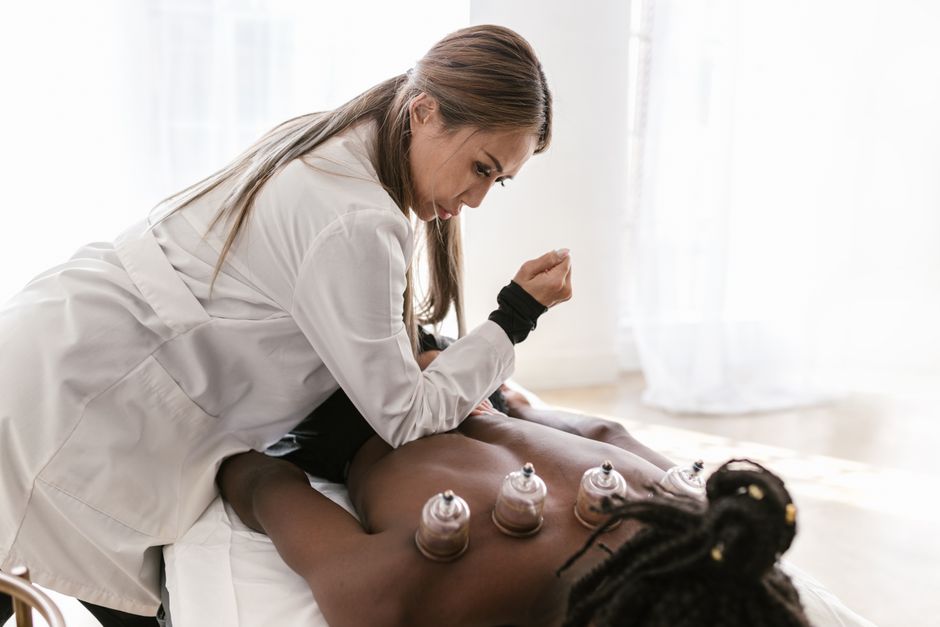
If you decide to try cupping, make sure you’re working with someone trained and experienced. Look for practitioners who are licensed and have specific training in cupping techniques.
Ask questions: How long have you been doing this? What’s your training? Are you licensed? What results should I realistically expect? A good practitioner will be honest about the limitations of cupping and whether it’s the right fit for your situation.
Don’t just book with someone because they offer it cheaply or promise miraculous results. Your health is too important for that.
Is cupping therapy FDA approved?
Cupping isn’t specifically approved or regulated by the FDA as a standalone treatment in the United States. It falls under traditional medicine practices. Some practitioners have training and certification through various organizations, but there’s no single federal standard. This is why it matters to work with qualified, experienced practitioners who can explain their training and approach.
How long do cupping marks last?
Those circular bruises typically fade within 3 to 7 days, though sometimes they can stick around for up to two weeks depending on how deep the suction was and your individual healing response. They’re usually not painful, just visually noticeable. If you have an important event coming up, you might want to schedule cupping a week or two in advance.
Can I do cupping at home?
You can buy cupping kits online, but self-cupping carries more risk of injury since you can’t see what you’re doing or control the pressure as effectively. If you want to try it, start with silicone cups (they’re gentler and easier to control) and go light on the suction. Better yet, get a professional to do it the first time so you understand proper technique and whether it’s right for you.
Is cupping covered by insurance?
Most insurance plans don’t cover cupping since it’s considered alternative medicine and lacks conclusive scientific evidence. Some plans might cover it if it’s performed by an acupuncturist or licensed healthcare provider as part of a broader treatment plan. Check with your specific insurance provider or ask a practitioner about their policies before booking.
Alternative Health & Healing Center Quick Facts
- Naples Fl: North Naples Fl on 41 behind Abby Carpet, near Wiggins Pass
The most advanced integrative wellness center in SW Florida
We are know for Sports injury, Regenerative Medicine, Chiropractic, AK Applied Kinesiology, Family Medical Center
6 amazing and caring Physicians with the latest treatments, Technologies, Stem Cell, RPA+Muse, Exosomes, Anti aging, Peptides, Vitamin IV’s and Chelation, Spinal Decompression. Avoid surgery and heal fast!