
Craniosacral therapy (CST) is a gentle, hands-on technique where a trained practitioner applies light touch to your skull, spine, and sacrum to release tension and promote healing. The idea is that by easing restrictions in these areas, you can reduce pain, improve mobility, and support your body’s natural healing response.
It sounds simple, but there’s a lot of nuance to understand before deciding if it’s worth your time and money. Let’s break down what craniosacral therapy actually is, how practitioners use it, and what the science actually says about its effectiveness.
Related: ACT Advanced Cranial Therapy vs NCR vs Craniosacral 2026: Top Ranked
Related: Holistic Therapy: A Complete Guide to Whole-Body Healing
Related: What is Therapy? A Guide to Healing & Wellness Options
Related: What Is Red Light Therapy? Complete Guide to Benefits & How It Works
Related: What Is a Holistic Doctor? Complete Guide to Whole-Body Healing
Related: What is Holistic Care? A Complete Guide to Whole-Person Healing
Related: Magnesphere Magnetic Resonance Therapy in Naples | Guide
How Does Craniosacral Therapy Work?
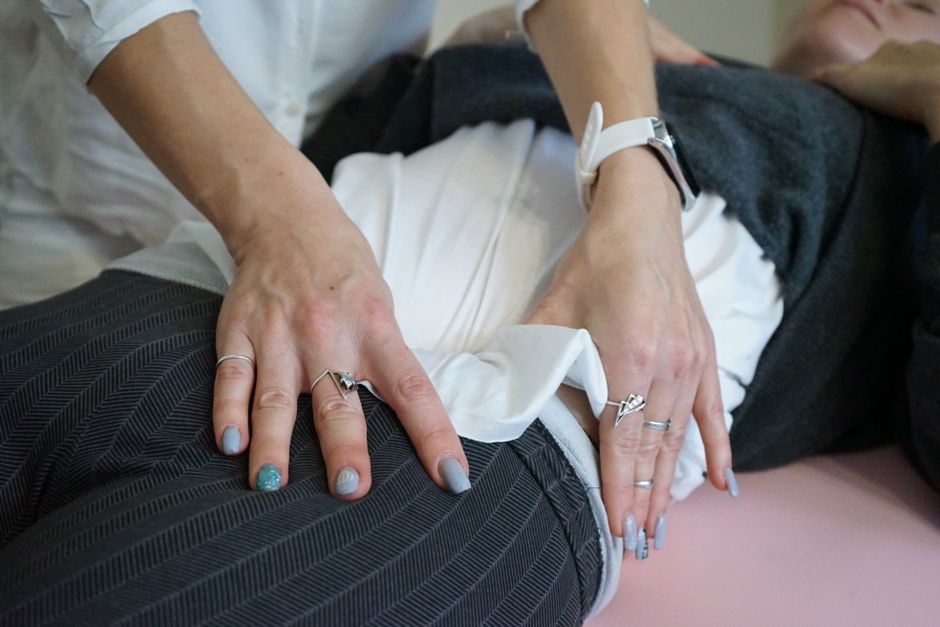
During a craniosacral therapy session, you’ll typically lie fully clothed on a massage table. The practitioner places their hands lightly on your head, neck, spine, and lower back, feeling for what they call the “craniosacral rhythm” – a subtle fluid movement they believe flows through your central nervous system.
Using this feedback, the practitioner gently applies pressure or holds specific points to release tension and restrictions they feel. The touch is extremely light, often barely perceptible. Sessions usually last 30 to 90 minutes.
The theory behind CST comes from osteopathic medicine and the idea that cerebrospinal fluid (the fluid surrounding your brain and spinal cord) has a natural rhythm. Practitioners believe manipulating the bones and tissues around this system can restore proper flow and function.
Related: What Is Regenerative Medicine and Stem Cell Therapy?
What Is Craniosacral Therapy Used For?
People seek out craniosacral therapy for a wide range of complaints. Common reasons include:
- Chronic headaches and migraines
- Neck and back pain
- Jaw tension and TMJ disorders
- Post-concussion syndrome
- Fibromyalgia
- Anxiety and stress
- General tension and muscle tightness
- Sleep problems
Some sports physicians and brain injury specialists have recommended CST for concussion recovery, which has drawn interest from athletes and active individuals.
However, it’s important to know that mainstream medical organizations like the NIH have raised significant concerns about craniosacral therapy’s scientific foundation and effectiveness claims.
The Scientific Reality: What You Should Know
Here’s the honest truth: craniosacral therapy has a credibility problem in the medical community.
Critics argue that CST is built on misconceptions about skull anatomy. Adult skulls are largely fused and don’t move much, which undermines the core premise that repositioning bones can affect cerebrospinal fluid flow. The “craniosacral rhythm” that practitioners feel hasn’t been proven to exist in the way they describe it.
Many studies on CST suffer from weak methodology, small sample sizes, or lack proper control groups. While some people report feeling better after sessions, research hasn’t conclusively shown that CST works better than placebo for most conditions.
That doesn’t automatically mean it’s worthless – some people do feel genuine relief – but the evidence doesn’t support the big claims often made about it being a cure-all for serious conditions.
If you’re considering craniosacral therapy, talking with a qualified healthcare provider at Alternative Health & Healing Center is smart. They can help you understand whether CST makes sense for your specific situation and whether evidence-based approaches might serve you better.
CST vs. Other Hands-On Therapies
It’s easy to confuse craniosacral therapy with other gentle touch therapies. Here’s how they compare:
- Massage therapy: Targets muscles and soft tissue with more pressure. Has stronger scientific support for pain relief.
- Chiropractic care: Focuses on spinal alignment and uses adjustments. Built on more established anatomical principles.
- Myofascial release: Works on connective tissue restrictions with moderate pressure. Better documented than CST.
- Craniosacral therapy: Uses extremely light touch on skull and spine. Least scientifically validated of these options.
If you’re looking for evidence-backed manual therapies for pain and tension, chiropractic care, massage, and myofascial release have stronger research support.
Should You Try Craniosacral Therapy?
If you’re considering CST, ask yourself these questions first:
- Are you using this to replace necessary medical treatment? (Don’t.)
- Have you tried more evidence-based options like spinal adjustment or physical therapy?
- Does your healthcare provider think CST is appropriate for your condition?
- Can you afford it without financial strain? (Insurance rarely covers it.)
If you have a serious condition – like post-concussion syndrome, migraines, or chronic pain – it makes sense to start with approaches that have stronger scientific backing. A chiropractor or other spine specialist can evaluate your specific situation and recommend the most effective options.
That said, some people find CST relaxing and report feeling better afterward, even if the mechanism isn’t fully understood. If it appeals to you and you’re using it as a complementary tool alongside proven treatments, talk to your provider about whether it’s safe for you.
What to Expect in a Craniosacral Therapy Session
If you decide to try it, here’s what a typical session looks like:
- Intake: The practitioner asks about your health history, pain, and goals (10-15 minutes).
- Positioning: You lie on a table, fully clothed, in a comfortable position.
- Assessment: The practitioner feels your head, neck, and spine with very light touch to assess what they call restrictions (5-10 minutes).
- Treatment: Using subtle pressure and holds, they work to release tension (30-60 minutes).
- Integration: You rest quietly for a few minutes while the session winds down.
Most people describe the experience as deeply relaxing, even if they’re skeptical about the theory. The quiet, focused attention itself can be therapeutic.
Sessions usually cost $75-$150 each, and practitioners often recommend multiple sessions for best results.
Questions to Ask a Practitioner
Before booking, get clear answers on these points:
- What credentials and training do they have? (Ask for specifics.)
- Have they worked with your specific condition before?
- How many sessions do they recommend, and what’s the total cost?
- What do they expect you’ll experience?
- Will they work with your other healthcare providers?
A good practitioner will be honest about limitations and won’t claim to cure serious diseases. They’ll also encourage you to keep working with your doctor or chiropractor.
Better-Supported Alternatives for Pain and Tension
If you’re looking for hands-on relief with stronger evidence behind it, consider:
- Chiropractic adjustment: Spinal manipulation has solid research for neck and back pain. Alternative Health & Healing Center specializes in this and combines it with modern technology.
- Acupuncture: Documented benefits for pain, headaches, and tension.
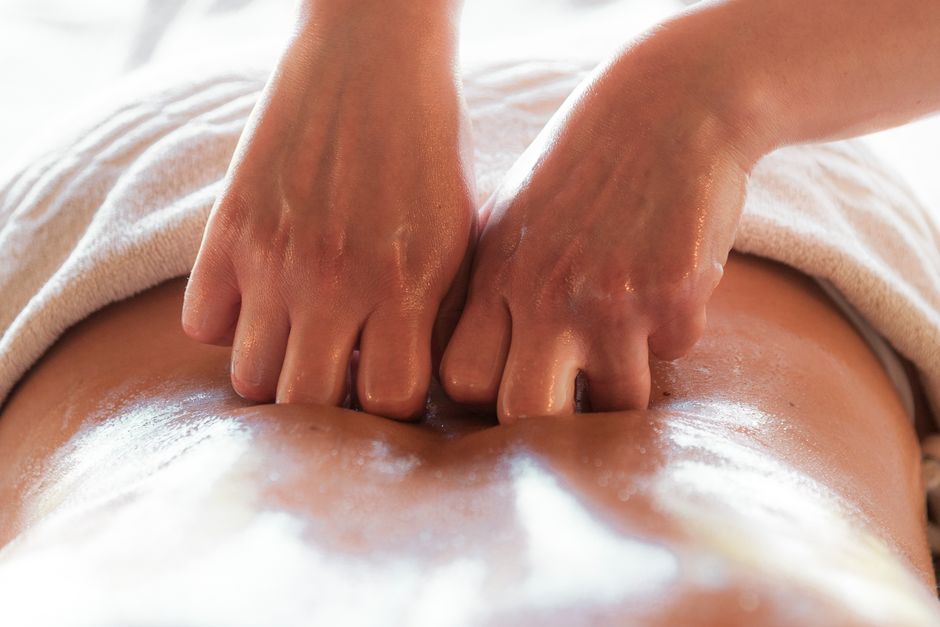
- Massage therapy: Proven to reduce muscle tension and improve circulation.
- Applied kinesiology: A more targeted approach to muscle and joint dysfunction.
Each of these has better research support than craniosacral therapy and may give you faster, more reliable results.
The Bottom Line on Craniosacral Therapy
Craniosacral therapy is a real practice with real practitioners, but it’s built on anatomical and physiological ideas that don’t hold up under scientific scrutiny. The evidence for its effectiveness is weak, and it shouldn’t replace proven treatments for serious conditions.
That said, some people find it relaxing and report subjective improvements. If you’re curious and your doctor thinks it’s safe, it might be worth trying as a complementary approach – not as your primary treatment.
But if you want relief backed by solid science, chiropractic care, acupuncture, and other established therapies are stronger bets. Alternative Health & Healing Center combines chiropractic expertise with advanced technology to address pain and dysfunction at the root, without relying on unproven theories.
People Also Ask
Is craniosacral therapy covered by insurance?
Rarely. Most insurance plans don’t cover craniosacral therapy because it’s not considered a medically necessary treatment. Some health savings accounts (HSAs) may allow reimbursement, but check with your plan first. Chiropractic care, by contrast, is often covered.
Can craniosacral therapy help with migraines?
Some people report migraine relief after CST sessions, but research hasn’t proven it works better than placebo for migraines. If you’re dealing with chronic migraines, approaches like spinal adjustment, acupuncture, and physical therapy have stronger evidence. Talk to your provider about what’s best for your situation.
Is craniosacral therapy safe?
Yes, CST is generally considered safe – the touch is so light it’s unlikely to cause harm. However, it may not be appropriate if you have certain conditions like increased intracranial pressure or recent head injury. Always tell your provider about any neurological conditions before trying CST.
How many craniosacral therapy sessions do I need?
Practitioners typically recommend starting with 3-6 sessions to see if you respond. Some suggest ongoing weekly or monthly sessions for maintenance. Be cautious of anyone pushing you into long-term treatment packages without clear benefits after the first few sessions.
Alternative Health & Healing Center Quick Facts
- Naples Fl: North Naples Fl on 41 behind Abby Carpet, near Wiggins Pass
The most advanced integrative wellness center in SW Florida
We are know for Sports injury, Regenerative Medicine, Chiropractic, AK Applied Kinesiology, Family Medical Center
6 amazing and caring Physicians with the latest treatments, Technologies, Stem Cell, RPA+Muse, Exosomes, Anti aging, Peptides, Vitamin IV’s and Chelation, Spinal Decompression. Avoid surgery and heal fast!