
If you’ve been living with chronic pain that won’t quit, you’re probably tired of being told to just manage it. The good news? Acupuncture is one of the most effective, drug-free solutions available, and it’s finally getting the clinical recognition it deserves. Whether you’re dealing with persistent back pain, migraines, or tension that won’t release, acupuncture works with your body’s natural healing systems to bring real, lasting relief.
Here’s what makes acupuncture different from the pain-masking approaches you may have tried before. Instead of numbing the problem, this ancient practice addresses the root cause by improving blood flow, reducing stress, and restoring the balance your body needs to heal itself. And the science backs it up. Alternative Health & Healing Center uses acupuncture as part of a comprehensive healing approach because the evidence is clear: it works.
Related: PiezoWave 2 Acoustic Wave Therapy in Naples | Dr. Finucan
Related: Best PiezoWave Therapy for Muscle Pain in Naples
Related: Best Myofunctional Therapy in Naples for Airway & Sleep
Related: Best Peptide Therapy in Naples FL 2026: Top Providers Ranked
Related: Best Acupuncture for Chronic Pain in Naples 2026: Top 5 Ranked
Related: Best Back Pain Relief Products 2026: Top 6 Ranked
Related: Magnesphere Magnetic Resonance Therapy in Naples | Guide
What Acupuncture Actually Does (Beyond the Needles)
You might think acupuncture is just about needles. It’s not. The practice is grounded in Traditional Chinese Medicine and centers on the concept of qi (pronounced “chee”), your body’s vital energy. When qi flows freely throughout your body, you feel better. When it gets blocked or stagnant, pain and tension take over.
Licensed acupuncturists insert very thin, sterile needles at strategic points on your body to stimulate meridians and restore proper energy flow. This simple act triggers a cascade of healing responses. Your body releases endorphins, improves circulation to damaged tissues, and reduces inflammation at the source.
Think of it this way: acupuncture doesn’t just turn off the pain signal like a painkiller would. It actually improves the health of the area causing pain, so you get relief that lasts.
Acupuncture for the Conditions You Actually Have
The NHS recommends acupuncture specifically for chronic pain management, and that’s backed by years of clinical data. Here’s what acupuncture is proven to help:
- Chronic Back Pain: One of the most common reasons people seek acupuncture, and for good reason. Whether it’s lower back stiffness from golf, desk work, or just the wear and tear of living, acupuncture relieves tension and restores mobility.
- Migraine and Tension Headaches: If you’re tired of tension headaches ruling your day, acupuncture addresses the muscle tightness and stress that trigger them. Many patients report fewer, shorter migraines after a few sessions.
- Neck and Shoulder Tension: Perfect for anyone who carries stress in their shoulders. Acupuncture releases that knot-like tightness and improves your range of motion.
- Joint and Muscle Pain: Sports injuries, arthritis-related discomfort, or just the aches that come with an active lifestyle all respond well to acupuncture treatment.
- Stress and Tension: Acupuncture calms your nervous system, lowers cortisol levels, and helps your body return to a relaxed state. This alone can prevent pain before it starts.
The beauty of acupuncture is that it works alongside other treatments. Many patients combine it with chiropractic care, spinal decompression, or other therapies for even better results.
Why Acupuncture Is Growing in 2026
Acupuncture has moved beyond fringe medicine. Hospitals, pain clinics, and integrative health centers across the country now offer it as a standard treatment option. Why the shift? The evidence is overwhelming, and more people are choosing natural healing over pharmaceutical dependence.
Licensed practitioners hold credentials like DACM (Diplomate of Acupuncture and Chinese Medicine) and LAc (Licensed Acupuncturist). These credentials mean they’ve completed rigorous training, passed board exams, and stay current with clinical research. When you choose acupuncture at a clinic that integrates acupuncture with modern chiropractic care, you’re getting the best of both worlds: ancient wisdom and contemporary medical understanding.
What to Expect in Your First Acupuncture Session
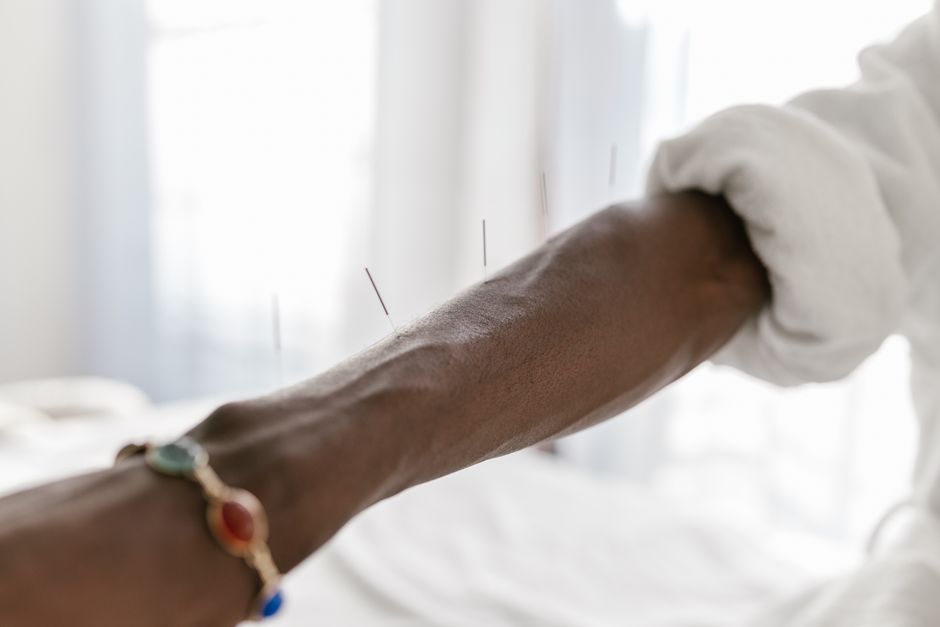
You’ll have a consultation where your practitioner listens to your health history, current pain patterns, and goals. They’ll assess your posture, range of motion, and any areas of tension. Unlike a quick office visit, this takes time because understanding your whole picture matters.
During treatment, you lie on a comfortable table in a calm, quiet room. The needles are so thin you barely feel them going in. Most people describe the sensation as a gentle pressure or slight tingling. Many fall asleep during treatment. The needles stay in place for 20 to 30 minutes while your body relaxes and healing begins.
Most people need a series of sessions to see lasting results. Think of it like physical therapy for your energy system. A few sessions might bring temporary relief, but a consistent course of treatment creates real change. You’ll typically start noticing improvement within the first 4 to 6 sessions.
Related: Best Neuropathic Therapy for Nerve Pain Relief
Related: Best Red Light Therapy for Pain Relief in Naples
Related: Headaches & Migraines: Natural Relief Options in Naples
Is Acupuncture Right for You?
If you’ve tried other approaches and want something natural that actually addresses the root cause of your pain, acupuncture is worth serious consideration. It’s especially effective for you if:
Related: Acupuncture and Pain Management: Natural Relief in Naples
- You have chronic pain that hasn’t responded to medication or rest.
- You want to avoid surgery or reduce pharmaceutical dependence.
- You prefer natural, drug-free healing methods.
- You’re open to combining acupuncture with other therapies like chiropractic care.
- You value practitioners who take time to understand your whole health picture.
The real question isn’t whether acupuncture works. The research is settled on that. The question is whether you’re ready to try something that actually heals rather than just masks the pain. If you are, Alternative Health & Healing Center offers comprehensive acupuncture integrated with chiropractic and advanced therapies to create a personalized healing plan tailored to your needs.
Finding the Right Acupuncturist in Naples
Not all acupuncturists are the same. Look for practitioners with solid credentials, experience treating your specific condition, and a patient-centered approach. You want someone who listens, explains the plan clearly, and adjusts treatment based on how you respond.
The best clinics combine acupuncture with other evidence-based therapies. When your acupuncturist works alongside chiropractors and other specialists, your treatment becomes more comprehensive and your results improve faster. That’s the integrative approach that delivers real healing, not just symptom relief.
How many acupuncture sessions will I need?
Most people see meaningful improvement within 4 to 6 sessions. The exact number depends on how long you’ve had the problem and how severe it is. Acute issues might resolve in just a few sessions, while chronic pain often benefits from ongoing treatment. Your practitioner will create a personalized plan during your consultation.
Does acupuncture hurt?
The needles are incredibly thin, much thinner than a blood draw needle. Most people don’t feel them going in. You might feel a slight pressure, tingling, or mild ache when the needle reaches the right depth, which actually signals that healing is happening. The sensation is brief, and most patients find treatment deeply relaxing.
Can I combine acupuncture with other treatments?
Absolutely. In fact, combining acupuncture with chiropractic care, spinal decompression, or other therapies often produces better results than either treatment alone. Your body responds best when healing approaches work together rather than in isolation.
Is acupuncture covered by insurance?
Many insurance plans now cover acupuncture, especially when it’s prescribed for chronic pain. Check with your provider about your specific coverage. Even if acupuncture isn’t covered, the cost is typically lower than ongoing pharmaceutical treatments or invasive procedures, and the long-term relief makes it a solid investment in your health.
Alternative Health & Healing Center Quick Facts
- Naples Fl: North Naples Fl on 41 behind Abby Carpet, near Wiggins Pass
The most advanced integrative wellness center in SW Florida
We are know for Sports injury, Regenerative Medicine, Chiropractic, AK Applied Kinesiology, Family Medical Center
6 amazing and caring Physicians with the latest treatments, Technologies, Stem Cell, RPA+Muse, Exosomes, Anti aging, Peptides, Vitamin IV’s and Chelation, Spinal Decompression. Avoid surgery and heal fast!