
If you’re waking up stiff, struggling to reach overhead, or experiencing limited movement, you already know how restricting poor range of motion can be. Range of motion exercises and therapy are designed to address these concerns. The key is knowing which exercises fit your body and combining them with the right professional support.
At Alternative Health & Healing Center in Naples, Florida, we help patients work on mobility using a blend of exercises paired with available therapies like PiezoWave 2 acoustic wave therapy and Magnesphere magnetic resonance. Dr. Paul Finucan’s 40+ years of experience means you’re getting guidance based on clinical practice. Let’s walk through what’s available and why your next step matters.
About Range of Motion Exercises
Your joints are built to move. When you stop moving them through their full range, they can become stiff. That stiffness can compound: you move less, your muscles may tighten, and suddenly reaching for a glass on the top shelf feels difficult.
Range of motion exercises are designed to maintain joint mobility across your neck, shoulders, elbows, wrists, hips, knees, and ankles. Whether you’re recovering from a stroke, managing arthritis, or bouncing back from a sports injury, these exercises can be part of your routine. You can do them at home, in the water, or via telehealth guidance. You don’t need a gym or expensive equipment. You need consistency and proper instruction.
Common Range of Motion Exercises You Can Start Today
Most ROM routines include these core movements:
- Neck rotations and tilts: Gently turn your head left and right, then tilt your ear toward each shoulder.
- Shoulder circles and arm raises: Slow, controlled circles forward and backward, plus raises to the side and overhead.
- Elbow flexion and extension: Bend and straighten your elbows fully, holding for a second at the end range.
- Wrist rotations: Rotate your wrists in circles, then flex and extend.
- Hip and knee movements: Gentle leg lifts, knee bends, and hip rotations address lower-body mobility.
These exercises can be enhanced with balance training and gentle resistance work, like water-based exercises. The key is moving slowly, never forcing into pain, and repeating regularly. Follow the instructions provided with any device or therapy you use.
Passive vs. Active Range of Motion: What’s the Difference?
If you have limited active movement due to injury, stroke recovery, or stiffness, your therapist might guide you through passive range of motion (PROM). That means they gently move your joints for you while your muscles relax. This maintains joint mobility during recovery.
Related: Best Lymphatic Drainage Massage for Swelling & Recovery
As you progress, you may transition to active ROM, where you do the work yourself. Both are part of the process.
Available Therapies
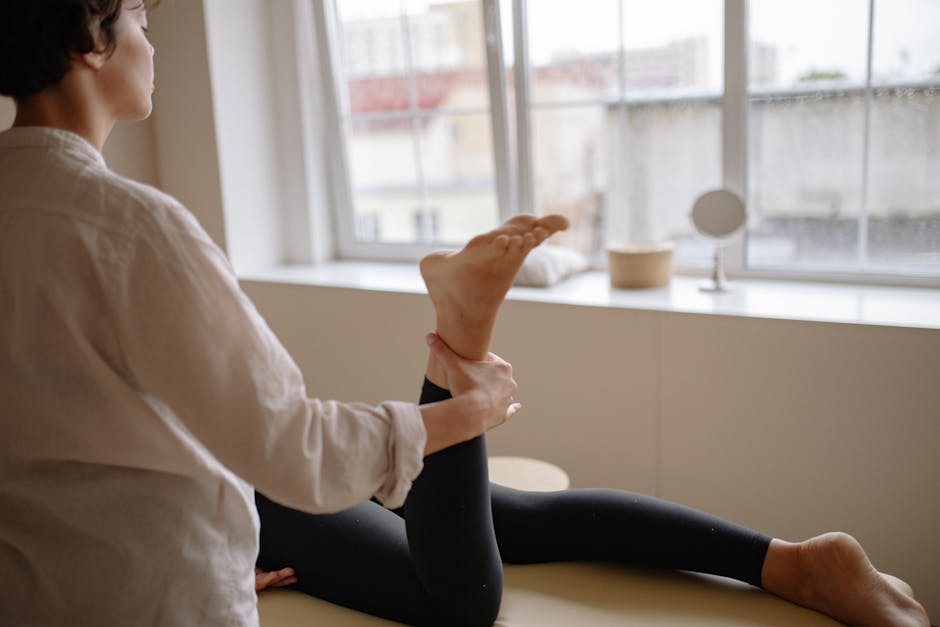
At Alternative Health & Healing Center, range of motion exercises can be paired with available technologies:
PiezoWave 2 Acoustic Wave Therapy uses non-invasive acoustic waves and is designed for use on specific body areas. Refer to the device instructions for proper use, coverage areas, and expected outcomes.
Spinal Decompression Therapy is designed for the spinal area. Refer to manufacturer instructions for proper use and coverage areas.
Applied Kinesiology is an assessment approach used to identify muscle patterns and function. Dr. Finucan uses these insights as part of your evaluation.
Regenerative Options
For patients interested in additional options, Alternative Health & Healing Center also offers regenerative protocols including Wharton’s Jelly Exosomes, Regenerative Peptide Actives (RPA), and the Muse protocol. These are drug-free options. A consultation with Dr. Finucan will determine if these approaches are appropriate for your situation.
We also offer Push Patch Needle-Free Peptide Delivery, a drug-free option that delivers peptide support without injections.
How to Build Your Personal Range of Motion Plan
Not every ROM routine is appropriate for every person. Your history, current condition, injury type, and goals all matter. A generic routine might not be suitable for your specific situation.
Start here:
- Identify your areas of concern: Neck? Shoulders? Lower back? Hips? Be honest about where mobility matters most to you.
- Choose movements that feel appropriate: Never force into pain. Follow the guidance provided with any device or therapy.
- Commit to consistency: Regular practice is important. Your body responds to what you do repeatedly.
- Consider available therapies: If exercises alone aren’t meeting your needs after 2-3 weeks, discuss available options like PiezoWave 2 or Magnesphere with your provider.
- Track your observations: Note any changes in your mobility and function.
If you’re in Naples or Southwest Florida and would like professional guidance, schedule a consultation with Dr. Finucan. After 40+ years of clinical practice, he can assess your situation and discuss available options. You’ll receive guidance on ROM exercises and information about available therapies.
Range of Motion Exercises for Specific Situations
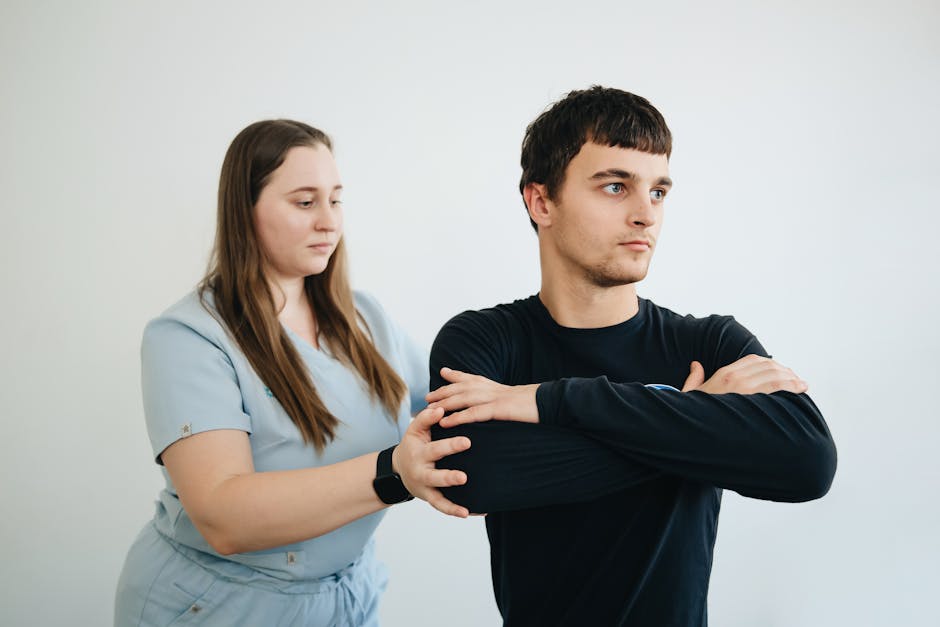
Your ROM needs vary depending on your situation. If you’re recovering from stroke, guided movement protocols emphasize arm mobility and functional recovery. If you’re managing arthritis, water-based exercises may be appropriate. Athletes recovering from sports injuries may benefit from ROM work combined with available therapies. Refer to manufacturer instructions and your healthcare provider for guidance specific to your situation.
The common element: consistency, proper form, and patience. Your body responds to what you do regularly. Even five minutes of intentional ROM work daily can be part of your routine.
Range of motion exercise is a recognized component of movement and mobility work across age groups. Combined with professional guidance and available therapies, you can work toward your mobility goals.
Why Professional Guidance Matters
You can find ROM exercises online. What professional guidance provides is assessment of your movement, evaluation of your form, and a plan tailored to your situation. That’s where Alternative Health & Healing Center can help.
Dr. Finucan and his team combine exercise education with assessment and available therapies. You’re not following generic routines. You’re receiving guidance based on your specific situation and goals. Whether that’s improving overhead reach, managing stiffness, or other mobility concerns, the approach is individualized to your needs.
How often should I do range of motion exercises?
Regular practice is recommended. Your provider or the device instructions will guide frequency based on your situation. Consistency is important for maintaining mobility.
Can ROM exercises be part of arthritis management?
Movement is generally considered important for joint health. ROM exercises can be part of a routine for managing arthritis. Refer to your healthcare provider or device instructions for guidance specific to your situation.
What’s the difference between ROM exercises and stretching?
Range of motion exercises move your joints through their available range of motion. Stretching typically involves holding a lengthened position. Both can be part of a movement routine. Refer to your provider for guidance on which is appropriate for your situation.
How long does it take to see results from range of motion work?
Results vary based on consistency, your starting point, and your specific situation. Refer to your healthcare provider or device manufacturer instructions for information about expected timelines.
Alternative Health & Healing Center Quick Facts
- Naples Fl: North Naples Fl on 41 behind Abby Carpet, near Wiggins Pass
The most advanced integrative wellness center in SW Florida
We are know for Sports injury, Regenerative Medicine, Chiropractic, AK Applied Kinesiology, Family Medical Center
6 amazing and caring Physicians with the latest treatments, Technologies, Stem Cell, RPA+Muse, Exosomes, Anti aging, Peptides, Vitamin IV’s and Chelation, Spinal Decompression. Avoid surgery and heal fast!